 (315) 853-3798
 newmanle315@gmail.com
Spring in upstate New York can be a little confusing, because the yard can look fine one day, then the next rain shows every weak spot. That is why homeowners start looking at their hardscaping and wondering whether it needs repair or if it is time to clear it out and build fresh. A patio that shifted, a walkway that feels bumpy, or steps that suddenly look “off” can make outdoor time feel less relaxing. If a homeowner wants a clear way to tell the difference, this guide will help them sort it out.
Spotting Early Spring Damage in Your Hardscaping
Outdoor Living Spaces: Heave And Sink Warning
After winter, outdoor living spaces often show the first signs of trouble where people step the most. If pavers feel like they are rocking, or a corner of a step looks higher than it used to, that is usually frost heave or settling under the base. Hardscaping takes the hit because water gets under it, freezes, expands, then thaws, and the ground does not always return to the same level. A homeowner might notice a small gap opening at an edge, or polymeric sand that looks washed out, even if the surface still looks “pretty.” These early signs matter because they usually worsen with each storm, not improve.
In Utica, NY, April weather can switch from cold mornings to damp afternoons, and that mix is tough on outdoor living spaces that already have weak spots. A common spring clue is a trip edge that was not there last year, especially along walkways and patio borders. Another clue is water sitting where it never used to, because pooling often means the grade changed just enough to trap runoff. Hardscaping problems also show up near the house, where snow piles and roof drip lines keep the ground wetter for longer. If the yard has clay-heavy soil, it can hold moisture like a sponge, which puts extra stress on patios and steps.
Patios: Cracks, Wobble, And Pooling After Rain
Patios get used, abused, and then judged the moment spring arrives. If a patio feels uneven under a chair, or a grill seems to sit at a slight angle, that is not just annoying; it is a signal. Hardscaping should feel solid and predictable, especially around seating and dining areas. When patios start wobbling, it can mean the edge restraint is failing, the base is settling, or water is moving through the joints and taking material with it. A homeowner might also see low spots that hold puddles after a spring rain, even if the rest of the yard drains well.
Patios can also show surface damage, depending on the material. Concrete can crack and create edges that catch toes, while pavers can separate and leave wider joints that collect debris. In Westmoreland, NY, freeze-thaw action can be rough on patios installed years ago with insufficient base depth, especially if the area stays wet during snowmelt. Hardscaping around patios also includes steps, landings, and small retaining edges, and those parts can shift, too. If the patio is sloping toward the house, that is more than a comfort issue; it is a drainage concern.
Smart Hardscaping Repairs That Last All Season
Outdoor Living Spaces: Resetting Loose Pavers
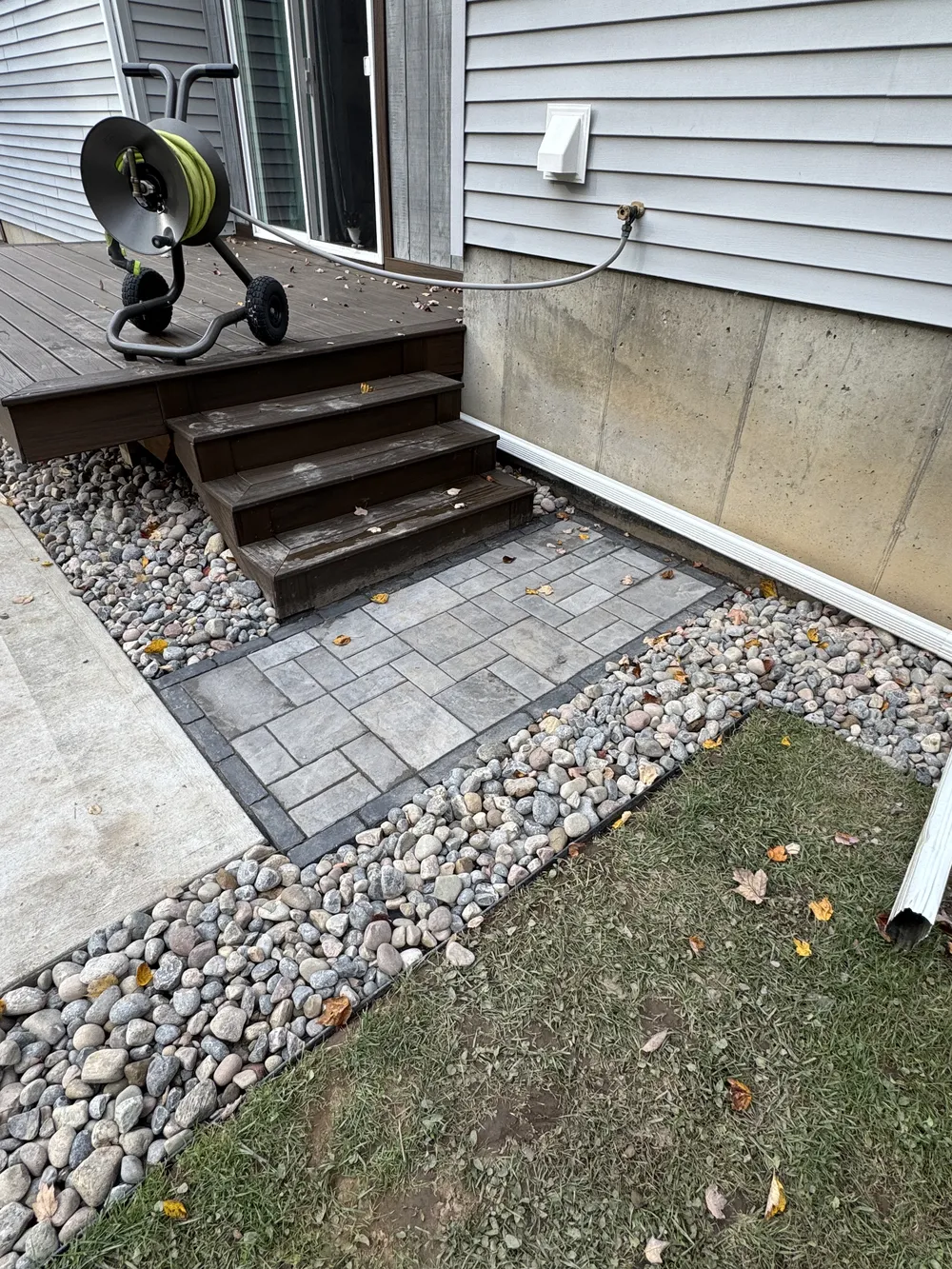
When the problem is localized, repairs can be a great option, making outdoor living spaces feel brand new again. Hardscaping repairs usually involve lifting the affected area, correcting the base, and resetting the stone so it locks back in. This is also a good time to correct small drainage issues, because water is usually part of the reason things shifted in the first place. If the patio border has moved, a reset with proper edge support can stop that slow “creeping” effect that makes lines look sloppy. Repairs make the most sense when most of the surface is still stable, and the layout still fits the homeowner's use of the space.
Outdoor living spaces also include the features attached to them, and those can be repaired, too. Fire pits, for example, often sit on or near patios, and if the surrounding pavers shift, the whole area can start looking uneven. A repair might mean re-leveling the base under the fire feature and tightening the surrounding joints so it feels safe again. If a homeowner wants outdoor living spaces to feel comfortable all season, a targeted repair can be a practical choice that still looks polished.
Patios: Joint Repair And Edges That Stay Put
Patios often need small repairs that protect the whole structure. Joint material that has washed out may not seem serious, but those gaps let water move more freely beneath the surface, which speeds up settling. Hardscaping depends on the system's tightness, meaning the base, edge restraint, and joints all work together. If the edge is failing, pavers can drift outward over time, and patios can start spreading like they are slowly unzipping. A repair that rebuilds the edge support and refills joints properly can hold up through spring rain and summer use. It also helps patios stay safer, because loose pavers and open joints create tripping points.
Many homeowners ask whether a repair will match what they already have, and that is a fair question. In many cases, patios can be repaired while keeping the same stone, especially if the damage is not widespread. In Utica, NY, it is common to see patios where only the low side needs correction because water continues to drain there during melt and rain. Hardscaping can also be improved during a repair by adding a small swale or a hidden drain path nearby, depending on the yard’s layout. This is where landscaping and hardscaping should work together, because the surrounding soil and beds affect where water goes.
Hardscaping For Better Landscaping: When A Redo Wins After Winter
Outdoor Living Spaces: When The Base Is Gone
Sometimes, the honest answer is that repairs will not last because the base under the hardscaping has failed across a large area. If multiple sections are sinking, heaving, and separating, it often means water has been moving under the entire installation for a long time. Fixing one hardscape spot often highlights flaws elsewhere, as the surface loses its unified integrity. This deterioration poses a safety hazard, particularly on steps, landings, and walkways used for carrying items. In that situation, patching can feel like chasing problems around the yard.
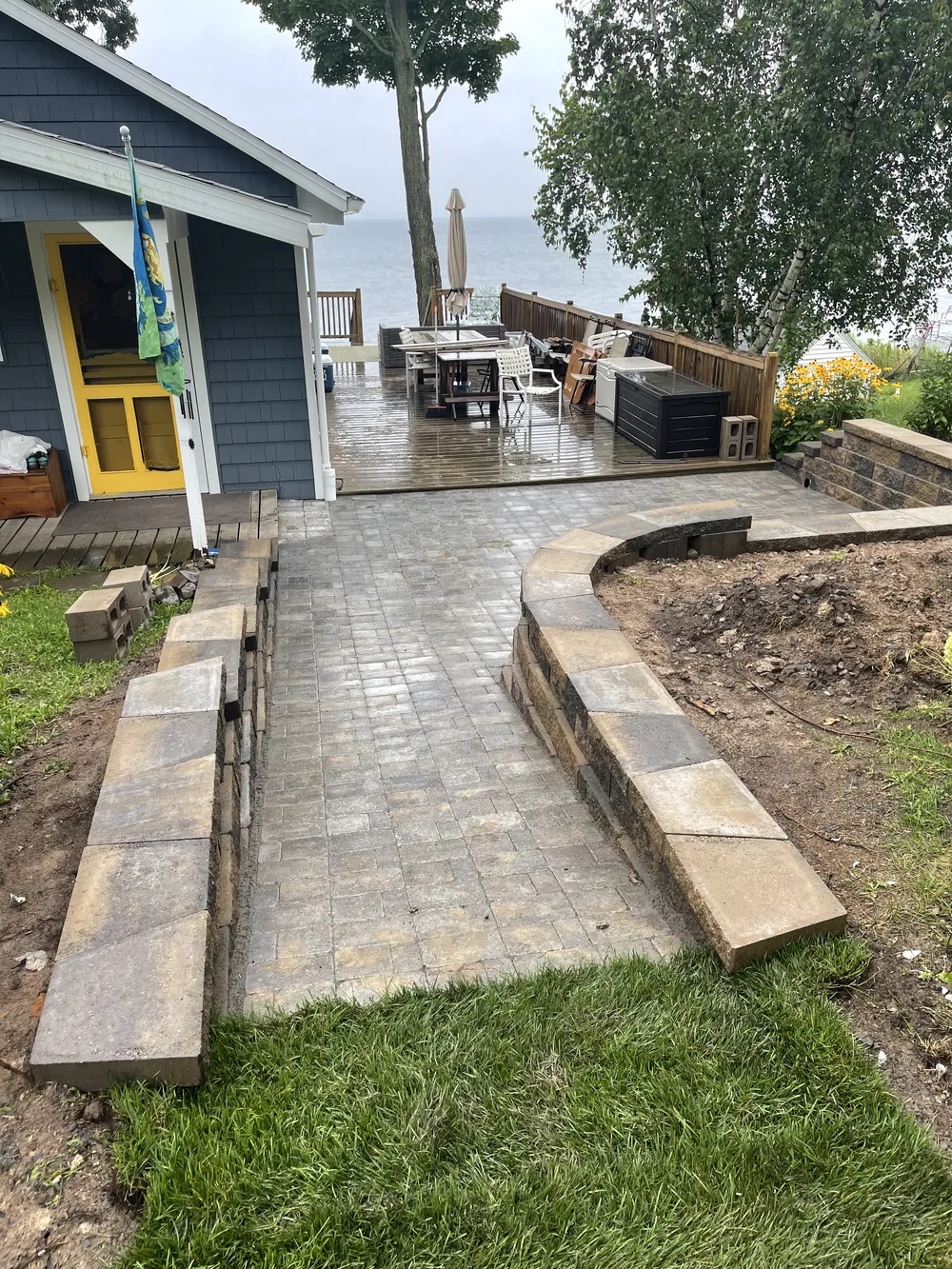
A fresh start can also win when the layout no longer fits the homeowner's way of living. Outdoor living spaces might need a better-shaped seating area, a wider path to the grill, or safer, more natural steps. In Westmoreland, NY, some homes have patios that were installed long ago as small pads, and now the homeowner wants a space that actually supports gatherings and daily use. Hardscaping can be rebuilt to improve flow, reduce tight corners, and add features that make sense for the property. That could include repositioning a fire feature, so smoke does not blow toward the house, or adjusting grades so water flows away from the main sitting area. When the base and the design both need help, starting over can be the cleanest option.
Patios: Fresh Starts With Grade And Flow
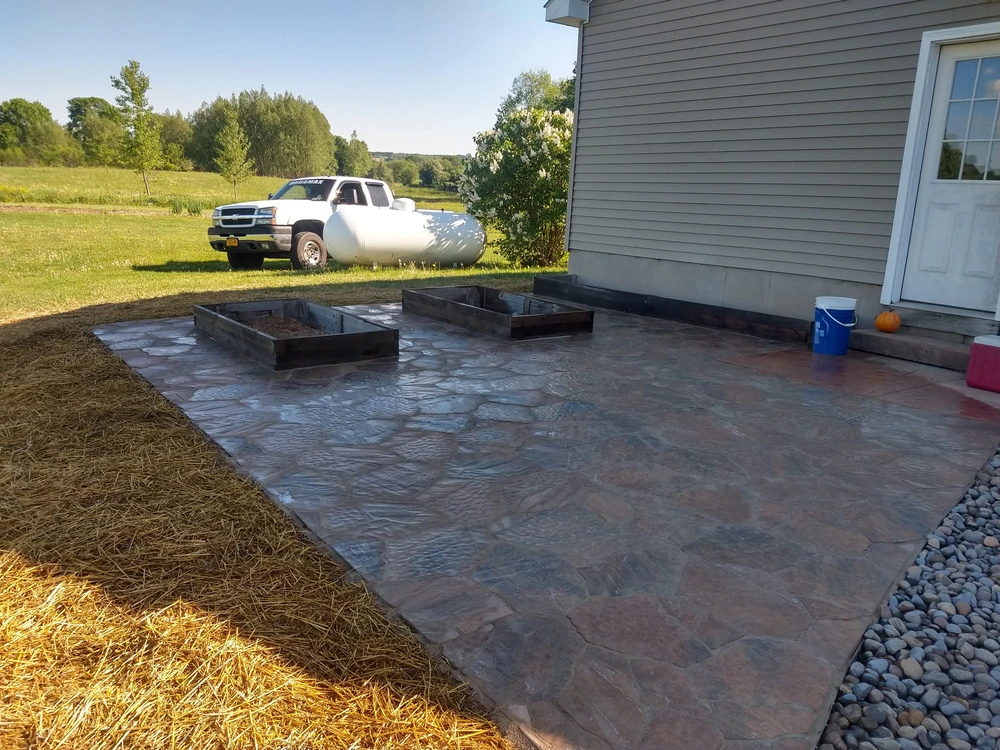
Patios benefit the most from a redo when drainage and slope were wrong from day one. If water consistently runs toward the house, sits in the middle of the surface, or washes sand out every season, the problem is usually deeper than the top layer. Hardscaping should guide water away gently, and that only happens when the base is built correctly and the finished grade is planned on purpose. A new build also allows patios to be properly integrated into the surrounding yard, so soil and beds do not trap runoff against the edges. A redo can correct that by reshaping how water travels through the space, not just covering it up.
A fresh start is also a chance to improve the feel of outdoor living spaces, not only the function. Patios can be rebuilt with better transitions, cleaner borders, and materials that match the home’s style, whether natural stone, pavers, or another finish. Hardscaping can also include lighting, steps, seat walls, or a dedicated area for fire pits, and those features usually work best when they are part of the plan from the start. This is where comprehensive services matter because excavation, base prep, drainage, and finish work must connect, or the project will not hold up.
Conclusion
Now that the differences are clearer, it is easier to see why some hardscaping can be repaired while other areas need a full rebuild. When multiple areas are moving, drainage keeps causing trouble, or the layout no longer fits the home, a fresh start can save frustration and create better outdoor living spaces. We at Newman Landscaping and Excavating, LLC, offer tailored solutions so homeowners can feel confident about what comes next. If you want an honest assessment and a plan that matches the property, reach out to us, and we will help.
