 (315) 853-3798
 newmanle315@gmail.com
Essential Lawn Care Advice | Is it Snow Mold Or Salt Damage?
Introduction: In Utica NY, January can leave a yard looking perfectly normal under snow, and then the melt shows a patchwork of strange spots. Some areas look matted and gray; others turn straw-brown along the driveway, and it is hard to determine the cause. Before anyone starts raking hard or applying seed, it helps to distinguish snow mold from salt injury, because the next lawn care step depends on the real culprit. Keep reading, and the signs will start to make sense.
Lawn Care Checks for Spring Results in Utica NY
Landscaping Clues When Snow First Melts Today
When snow sits for weeks, the grass blades are compressed like a wet blanket. Once the top layer melts, a homeowner might see pale circles or streaks that look scary at first glance. A simple trick is to watch how those spots change over two or three warmer days, because true disease does not dry out and disappear quickly. The first lawn care check is gentle: lift the matted grass with a leaf rake and see if green is hiding underneath. Applying this landscaping logic helps you determine if the patch is truly damaged or just temporarily dormant.
Snow mold is a group of winter fungi that thrive under long snow cover on damp turf, and Utica NY, can check every box for that in a heavy winter. The grass often appears matted in a clear circle, and the blades may have a dusty coating ranging from gray to pink. On a cool morning, it can even smell a little musty near the center of the spot.
Deicing Marks Along Driveways And Walks Early
Salt injury has a distinct pattern and typically starts where pavement meets grass. A homeowner in Utica NY, might notice a sharp line where the turf near the sidewalk turns tan while the middle stays darker. Snow piles matter, too, because salty snow melts slowly and repeatedly soaks the same strip of soil. Even careful snow removal can accidentally push packed snow onto one corner of the lawn, and that spot may show damage first. For winter lawn care, it helps to identify where the salt is landing, not just where the snow is sitting.
A quick clue is the soil’s appearance after the snow lineretreats, since salt often leaves a light crust that looks almost chalky. The blades may appear dry and brittle and may break when rubbed between the fingers. Unlike snow mold, there is usually no fuzzy growth, and the damage tends to follow meltwater paths. The good news is that spring rain can help wash salt out, provided the soil drains. If low areas retain water, salt can concentrate, causing prolonged stress.
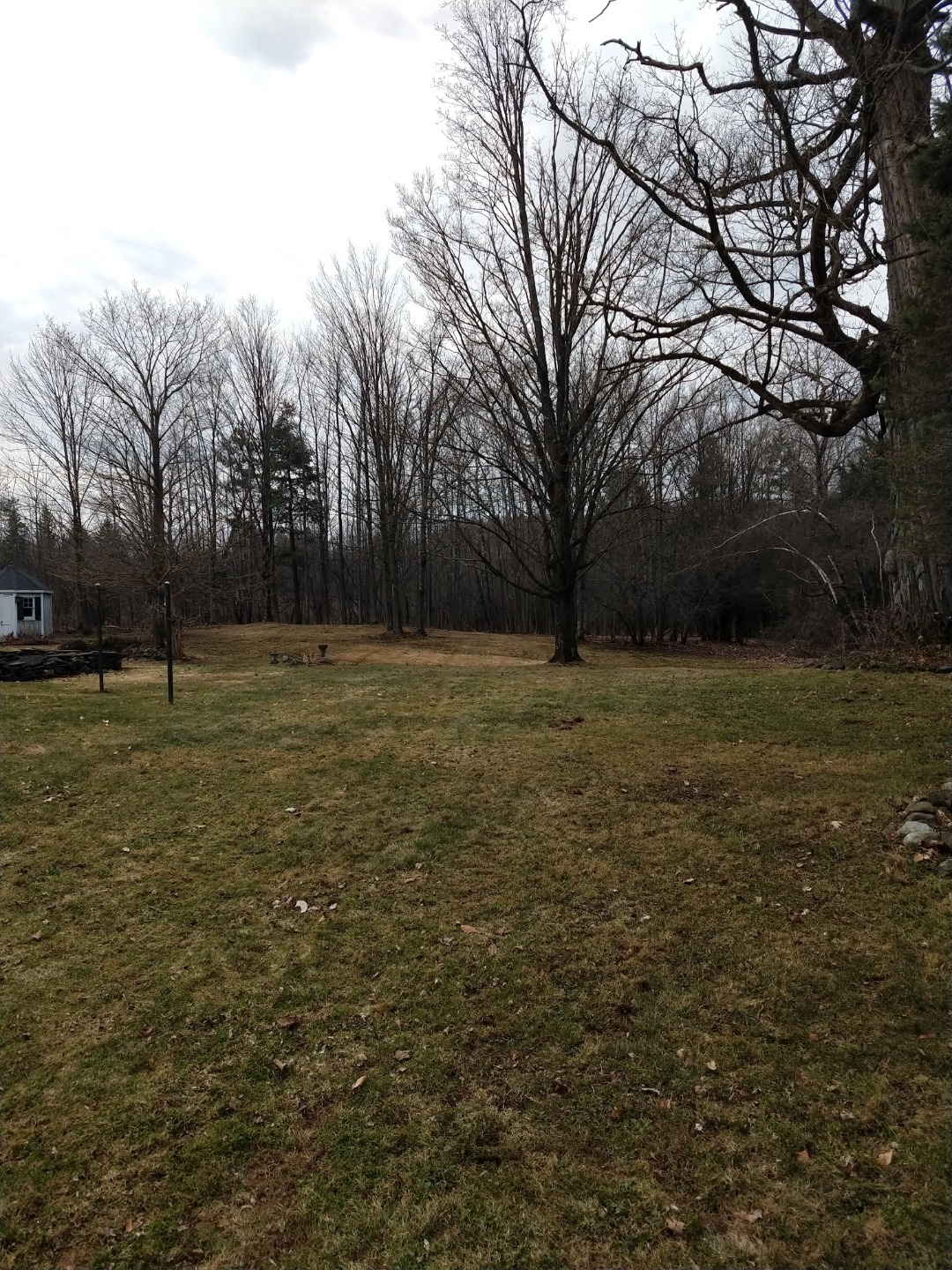
Lawn Care Signs Separating Snow Mold From Salt Damage In Utica NY
Landscaping Patterns That Point To Snow Mold?
Snow mold typically appears in areas that stayed covered the longest, such as the north side of a house or the shaded area behind a shed. The circles can overlap, and the grass in the middle often looks pressed down, with a webby film on the blades. If a homeowner sees tiny, straw-colored leaf tips mixed with darker green, it often indicates mold damage rather than salt damage. Thick thatch, heavy leaf cover, poor drainage, and a warm spell before a big storm can all raise the risk. The best approach to lawn care is to diagnose first, because applying additional products to a fungal issue rarely addresses the root cause.
When the ground is no longer frozen, a light raking can break up the matted layer and help the area dry out. Some homeowners are tempted to apply fertilizer immediately, but this can promote weak growth before roots are established. A better move is to wait for consistent daytime thawing, then watch for fresh green shoots that tell the crown survived. If the patch is thin, overseeding can be done once soil temperatures warm and the surface is not muddy.
Deicing Damage Looks Different Than Snow Mold
Salt damage can look harsh, but the pattern is usually more linear than circular. It often follows where meltwater runs off a driveway or where a plow line sits all winter. The grass tips may turn yellow, then fade to a light brown that can look almost bleached. If the affected zone is the same width along the entire edge, a spreader pattern may be involved. Soil in those areas can also become compacted by winter foot traffic, making it harder for roots to absorb water later. That mix of salt and compaction is why the grass sometimes stays thin well into May in Utica, NY.
As soon as temperatures allow, deep watering can help flush salts from the root zone. It is important not to flood the area while the ground is still icy, because runoff simply carries salt to another part of the yard. Some homeowners also use gypsum to address sodium-heavy soil, but it works best when paired with good drainage and rainfall. If the soil is compacted, spring core aeration can open channels, allowing water to move downward rather than pool.
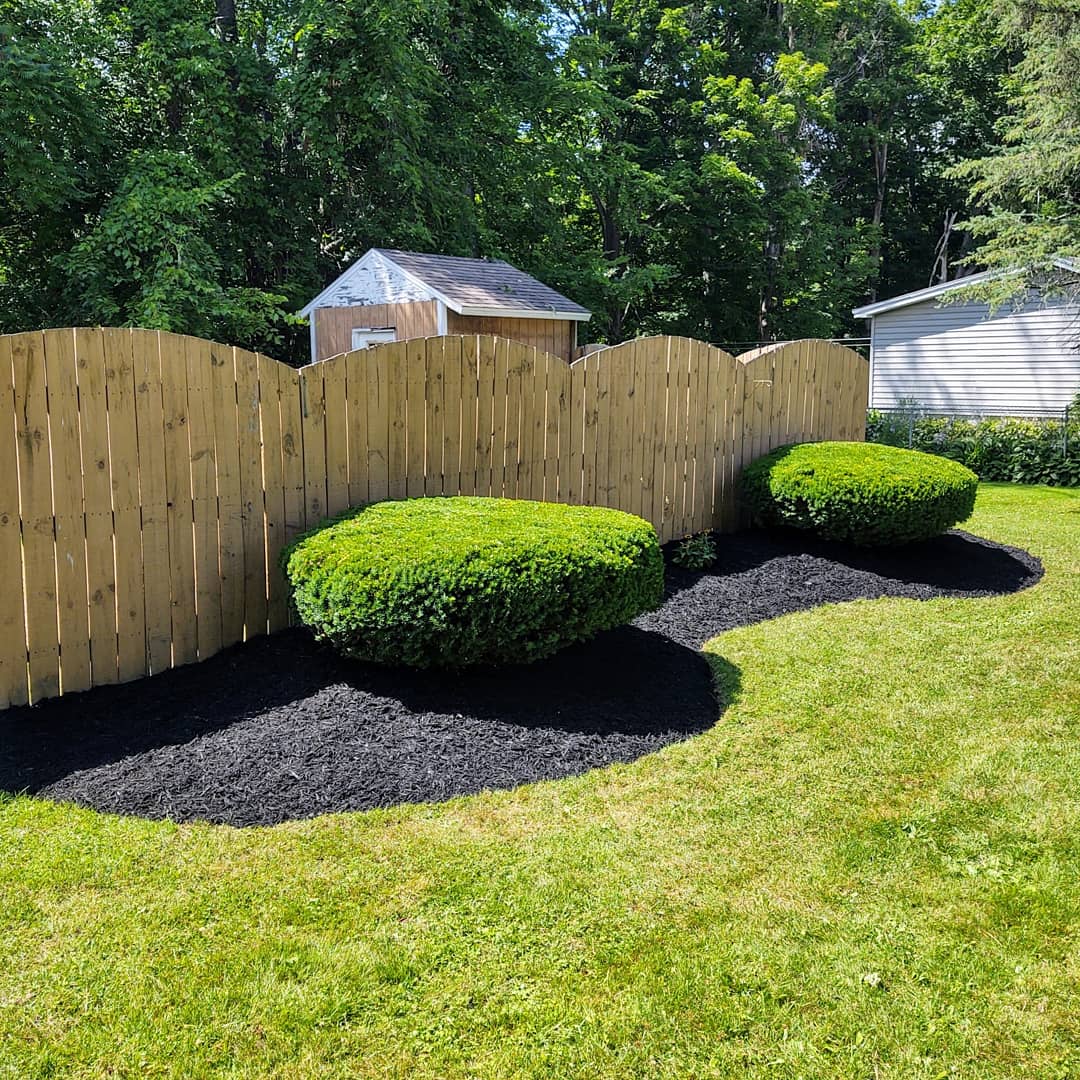
Utica NY Lawn Care & Recovering from Winter Deicing
Landscaping Help For Grass Recovery In Spring
Once the snowbanks shrink and the yard begins to dry, the first goal is to prevent further damage. That means keeping heavy equipment off soft turf and avoiding dragging snow piles across the grass during late-winter cleanups. A homeowner can lightly rake up sand and grit that washed off the driveway, since that layer can block sunlight from the blades. If there are small low spots where water sits, a simple topdressing can help level them so puddles do not return with every thaw. Early lawn care is also a good time to check drainage around downspouts and walkways, as winter often reveals where water naturally flows. Fixing those flow paths now can prevent similar patchy issues next year.
When the damaged areas are thin but not dead, a spring overseed can fill them in, especially with a hardy mix that handles the weather swings in Utica, NY. Along walkways and drive edges, some homeowners choose grasses that tolerate a little extra salt because those zones are hit every winter, no matter how careful everyone is. A homeowner does not need a major overhaul to see a difference, but they do need repairs done correctly.
Deicing Recovery: Flushing Salt In Safer Ways
When a yard shows salt stress, the best helper is usually plain water, applied at the right moment. In Utica NY, that often means waiting until daytime temperatures remain above freezing long enough for moisture to soak in rather than run off. Once the soil is open, slow-soaking sessions can move salts downward, where they are less likely to scorch new roots. Taking these steps early helps ensure the grass is healthy and strong by the time the weather warms enough for the first lawn mowing of the season.
For next winter, the goal is to reduce salt use while keeping walkways safe. Many homeowners prefer a lighter application, followed by a quick sweep to prevent granules from washing into the grass as snow begins to melt. Sand can improve traction and does not burn turf, though it leaves a gritty mess that requires spring cleanup. Another option is to choose a pet-friendly ice melt and use it only in high-traffic areas. It also helps to shovel early, before packed snow turns into ice, because less ice means fewer chemicals later. Small habits like these protect the yard and keep spring repairs from becoming an annual project.
Conclusion
Snow mold and salt injury can look similar on the first warm day, but the pattern and the texture usually tell the truth. When the cause is clear, the fix gets easier, and a homeowner can avoid wasting time on the wrong approach. At Newman Landscaping and Excavating, LLC, we help properties in Utica NY, with lawn care plans tailored to their yard’s actual conditions, from winter damage through spring recovery. If the lawn looks rough after the snow, contact us, and we will assess it and help get it back on track.

SERVICES
Landscaping
Fire Pits
Lawn Mowing
Pavers
Holiday Lighting
Commercial Snow Removal
Pest Control
Mulching
Lawn Aeration
Sod
Patios
Outdoor Kitchens
Retaining Walls
Lawn Care
Trimming
Lawn Edging
Excavation
Landscape Design
Drainage
Lawn Grading
Landscape Lighting
Deicing
Snow Blowing
Driveway Sealing
SERVICE AREAS
Westmoreland
Utica
Rome
Oneida
German Flatts
Vernon
Lenox
Frankfort
Verona
Vienna
Sherrill
Floyd
Sangerfield
Canastota
Herkimer
Chittenango

"*" indicates required fields