 (315) 853-3798
 newmanle315@gmail.com
Safety Checklist for Snow Removal in Utica NY, Properties
Introduction: January in Utica NY, can quickly turn a normal property into a slippery obstacle course, especially after lake-effect snow and freeze-and-thaw cycles. Many owners think snow removal is complete once the plow passes, but real safety issues often arise in areas that no one checks twice. Sidewalk corners, hydrants, side doors, and back gates are buried, and people then start walking where they should not. Keep reading for a practical snow safety checklist to help prevent headaches, injuries, and emergency access issues.
Strategic Snow Removal for Safer High-Traffic Sidewalks
Snow Blowing Zones That Trip Up Tenants Often
Sidewalks appear simple until snow accumulates in the same places all winter. With snow removal, the biggest trouble spots are usually corners, curb cuts, bus stop areas, and the narrow strips where the sidewalk meets parked cars. Snow blowing can make those areas look clean at first, but the piles often slide back down or get packed by foot traffic. That is when residents start stepping into the street or walking across unplowed grass and landscaping beds.
A sidewalk must remain consistent from one end of the property to the other. Snow removal that leaves a “good enough” path for part of the walk still causes problems if it pinches down by a fence, a stoop, a mailbox, or a row of shrubs. Snow blowing should not push the pile directly across the natural walking line, because people will keep cutting through the easiest opening they see. It helps when the edge is clearly defined, even if pavers or a curb borders the walkway, because snow can blur the boundary and make the step-off feel uneven.
Expert Deicing Tips That Protect Landscape and Pavement
Deicing is where many good intentions go awry. If a product is placed without accounting for temperature, shade, and meltwater flow, it can create a wet surface that refreezes into glare ice by evening. Snow removal should clear down as close to the surface as possible, because deicing works best when it can actually contact the pavement. There is also the landscaping issue, because heavy salt use can damage turf edges, scorch shrubs, and leave spring cleanup looking rough. A safer approach is to treat only where traction is needed, not to blanket every inch just because it “feels” safer.
Timing matters, too, and it is not only about the storm. Deicing applied before a plow passes can be scraped away, and the ice problem returns as the pavement cools. Snow removal paired with smart deicing is usually the better mix, because the surface is cleared first and then treated where it will actually help. That is exactly where deicing should be focused, as that is where slips occur most frequently.
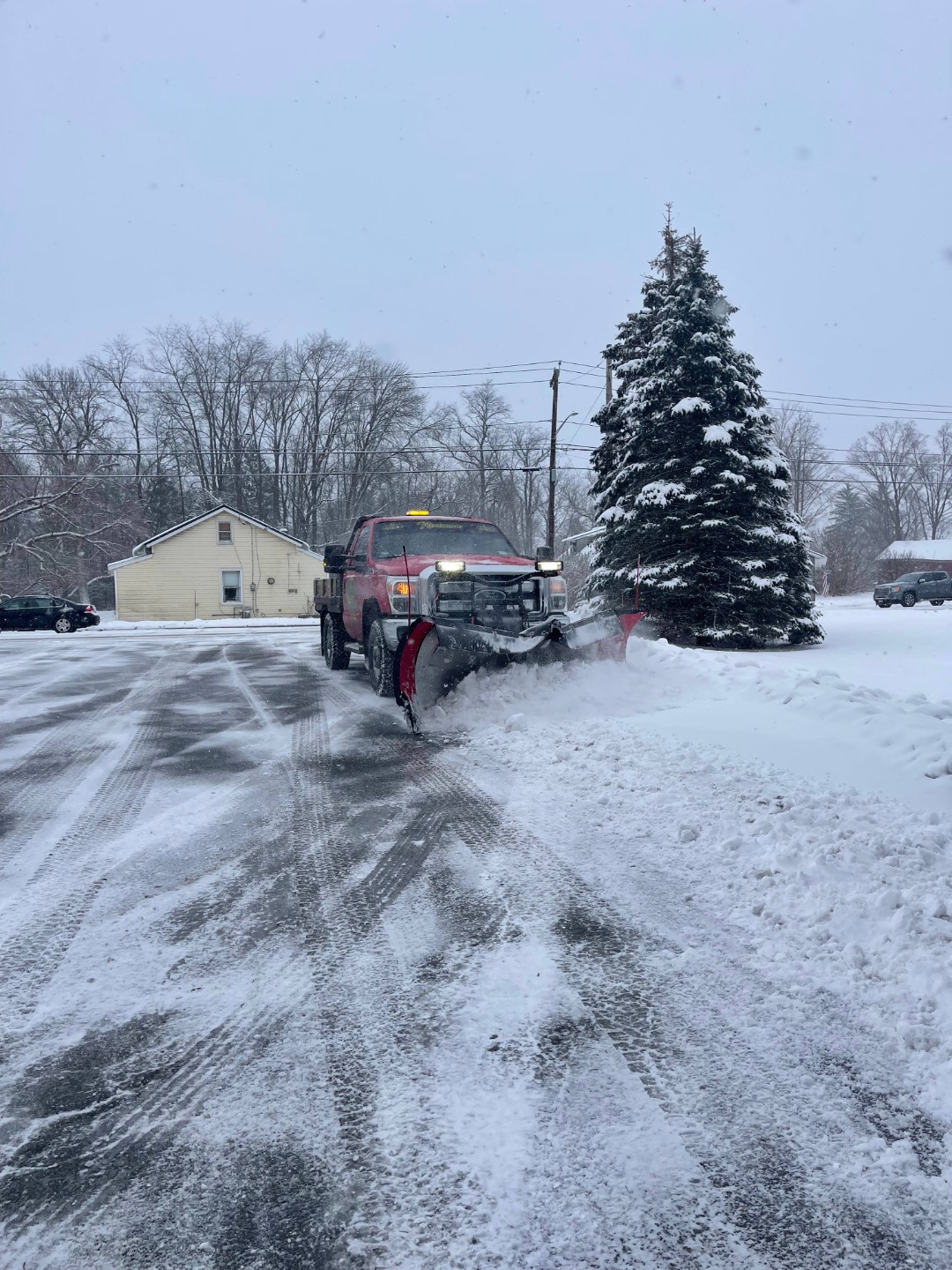
Maintaining Critical Emergency Access in Winter
Snow Blowing to Maintain Visibility for Emergency Crews
Fire hydrants are among the most overlooked winter safety items on a property. Snow removal can leave hydrants buried behind a ridge, hidden in a drift, or blocked by a hard-packed pile. It helps to treat the hydrant area like a “no pile zone,” the same way a property treats a driveway entrance or a loading lane. When the hydrant remains visible and accessible, it reduces panic in an already stressful situation. The same idea applies to other items that emergency teams and maintenance workers may need on short notice. Snow removal should keep clear access to standpipes, utility shutoffs, and any marked emergency equipment on site. Snow piling can bury many lights, signposts, and reflective markers, making the site harder to navigate at night. In January, that matters because darkness comes early and many emergency calls happen after work hours.Deicing Near Utility Doors And Basement Steps
Side doors and basement access points are often overlooked until the day they’re needed. Snow removal might clear the main front walk, but the bulkhead door, the rear entry, or the utility room entrance gets left to “later.” Then the door freezes shut, or the steps become a polished chute after someone tracks in slush and it refreezes. Deicing can help, but it needs to be used with care around metal thresholds, painted concrete, and older masonry that may already have surface wear. Another common winter issue is meltwater that runs right back into the problem area. Snow piles placed at the bottom of a stair run can partially melt during the day and refreeze overnight into a thick layer of ice. Deicing is less effective when applied to a full sheet rather than small patches. Snow blowing can help direct snow away from these entrances. It also helps to monitor roof edges and downspouts, as dripping water can freeze exactly where people stand to unlock a door.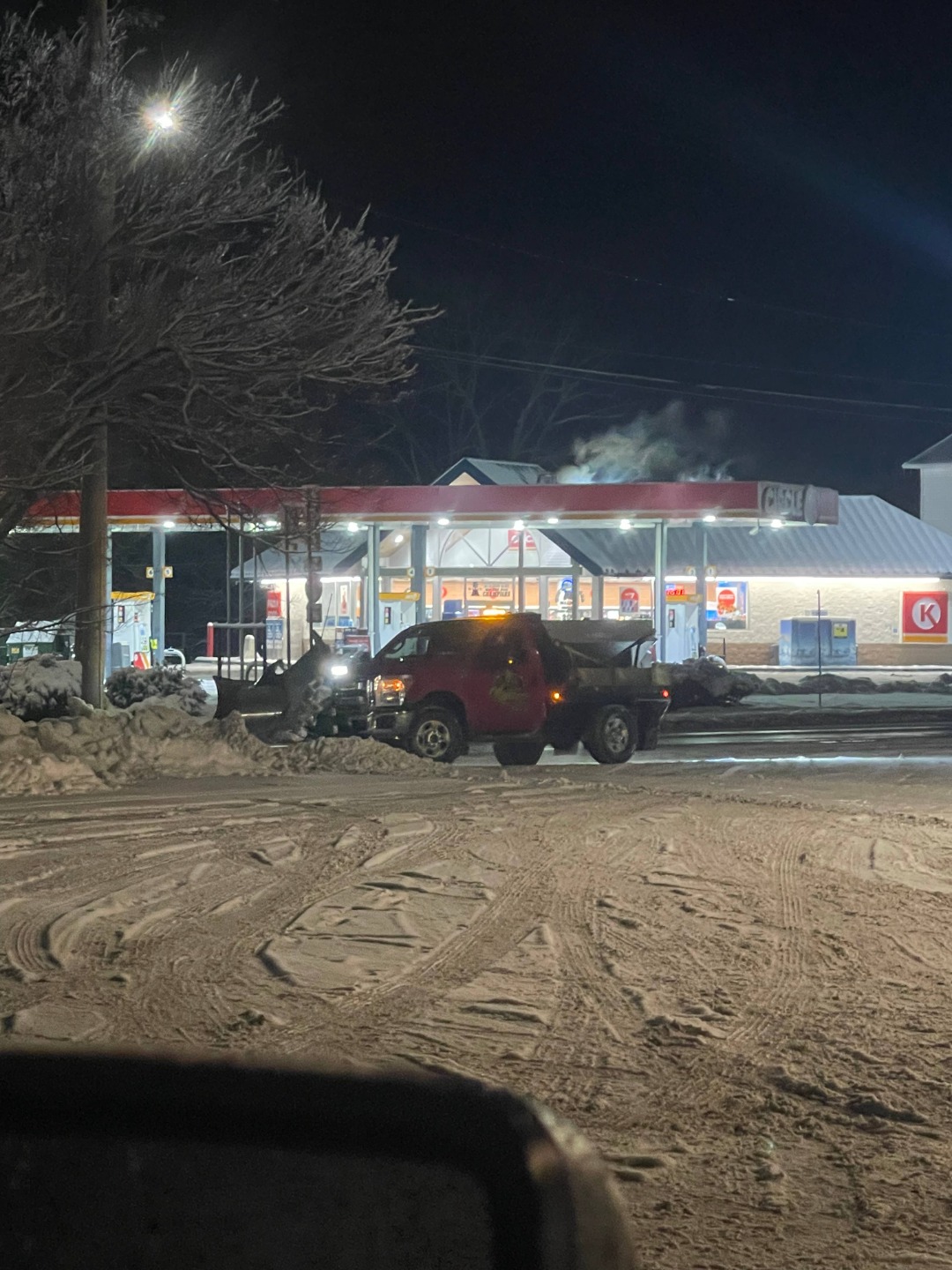
How to Keep The Property’s Entries Safe After a Storm
Snow Blowing That Blocks Fire Exits And Gates
Back-of-building areas are where winter problems hide. Snow removal often focuses on front visibility, but people may still use rear doors, gate openings, or dumpster areas. Snow blowing can accidentally block a gate by throwing a pile into the swing path, preventing anyone from getting through without chipping ice. That becomes a safety issue when the rear exit is also part of an emergency route. Wind can also pack snow into corners behind buildings, so even “light” storms create deep drifts in those tucked-away spots.
A good snow removal plan treats all sides of the property as part of the main site, not as an extra. Snow blowing should keep gate lines open, keep dumpster lids accessible, and avoid burying lockboxes, keypad entries, or service panels. Another issue is the placement of snow relative to lighting and cameras, as large piles can block light throw and create dark zones. When snow removal aligns with how people actually move through the site, winter becomes much less stressful.
Deicing For Ramps And Stairs On Site
Ramps and short stair runs require extra attention because they pose a greater risk than flat pavement. Snow removal should keep ramp edges visible, especially if there is a curb drop, a handrail, or a tight turn at the landing. Deicing is helpful here, but the wrong product, or too much of it, can leave residue and create slick slush that gets tracked indoors. That does not mean deicing should be avoided; it just means it should be chosen and applied with care.
It also helps to consider traction, not just melting. Snow removal done too aggressively can leave a polished surface if it scrapes unevenly, and a thin film of ice forms more quickly. Deicing is most effective when the surface is already clean and dry enough to respond, which is not always easy during a prolonged storm cycle. A comprehensive approach also considers where people step when they open a door and where they turn to lock up at night. These small movements are where slips happen, even on properties that take snow removal seriously.
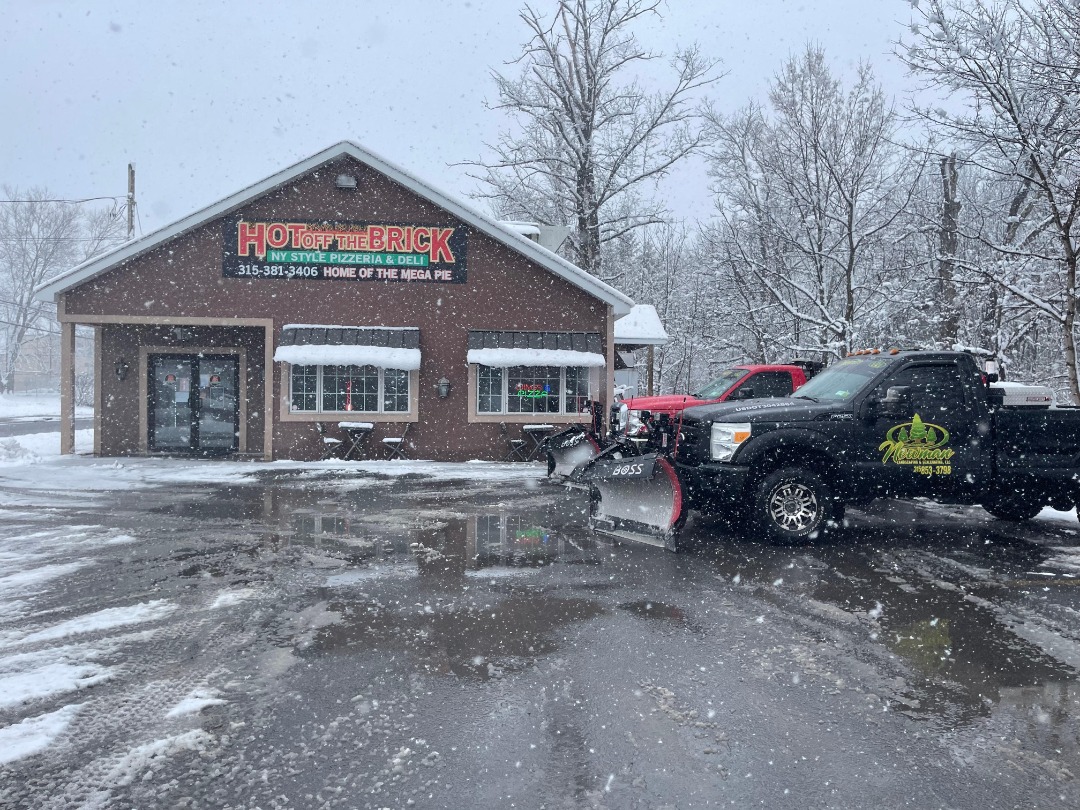
Conclusion
Snow safety is not only about clearing obvious paths; the real issues usually show up at the edges: hydrants, side doors, rear gates, and the walking routes people choose when they are in a hurry. When snow removal is handled with the full property in mind, the site stays safer for everyone. If you want a winter plan tailored to your property rather than a one-size-fits-all routine, we can help. At Newman Landscaping and Excavating, LLC, we offer tailored solutions, expert installations, and comprehensive services that keep access points open and reduce winter risk. Contact us today, and we will help you set up snow removal that makes sense for your site.

SERVICES
Landscaping
Fire Pits
Lawn Mowing
Pavers
Holiday Lighting
Commercial Snow Removal
Pest Control
Mulching
Lawn Aeration
Sod
Patios
Outdoor Kitchens
Retaining Walls
Lawn Care
Trimming
Lawn Edging
Excavation
Landscape Design
Drainage
Lawn Grading
Landscape Lighting
Deicing
Snow Blowing
Driveway Sealing
SERVICE AREAS
Westmoreland
Utica
Rome
Oneida
German Flatts
Vernon
Lenox
Frankfort
Verona
Vienna
Sherrill
Floyd
Sangerfield
Canastota
Herkimer
Chittenango

"*" indicates required fields