 (315) 853-3798
 newmanle315@gmail.com
Drainage That Disappears Into Design: Incorporating Drainage Into Your Hardscaping
Introduction: Good drainage feels almost invisible when it is done right. Water moves off the surface, into the ground, and away from the house without drama, keeping patios usable and hardscaping clean-lined. This guide walks through practical, design-forward ways to make drainage part of the plan from the first sketch, so everything works quietly in the background.
Drainage First, Design Second: How Hardscaping Stays Dry And Beautiful
Grading The Surface So Patios Move Water Quietly
A patio in Westmoreland NY, that drains well usually starts with a gentle, consistent pitch. Think of a smooth fall that guides water toward a safe edge instead of asking it to guess where to go. On paver patios, that slope begins in the compacted base and carries through the bedding layer to the finished surface. The effect is subtle to the eye, yet you feel it the moment the rain stops and the surface dries evenly.
Door thresholds and transitions deserve extra care. Keeping the interior floor slightly higher than the exterior surface helps keep water outside where it belongs. For long runs of hardscaping, small slope adjustments can divide a large area into smaller zones that direct water to an outlet without creating a noticeable slope. Done thoughtfully, the patio looks level even though it is not, and visitors sense comfort rather than mechanics.
Invisible Paths: Permeable Bases, Swales, And Outlets
Some of the best drainage solutions live under the surface. An open graded base blends larger stone with clean fines so water can pass through, then settle into the soil below instead of racing across the top. Permeable pavers and wider, stone-filled joints take that concept a step further by letting rain fall straight through the surface. When soils are slow to absorb, a discreet underdrain wrapped in fabric can move excess water to daylight or a pop-up emitter at the lawn’s edge.
Where space allows, a shallow swale along the border reads like a soft, planted crease that guides runoff around the patio. It is gentle, it is green, and it works. The swale can feed a small gravel pocket or a covered inlet flush with the hardscaping, keeping the look clean. The goal is to let water travel the easiest path with the least fuss, while the finished patio still looks like a place meant for people.
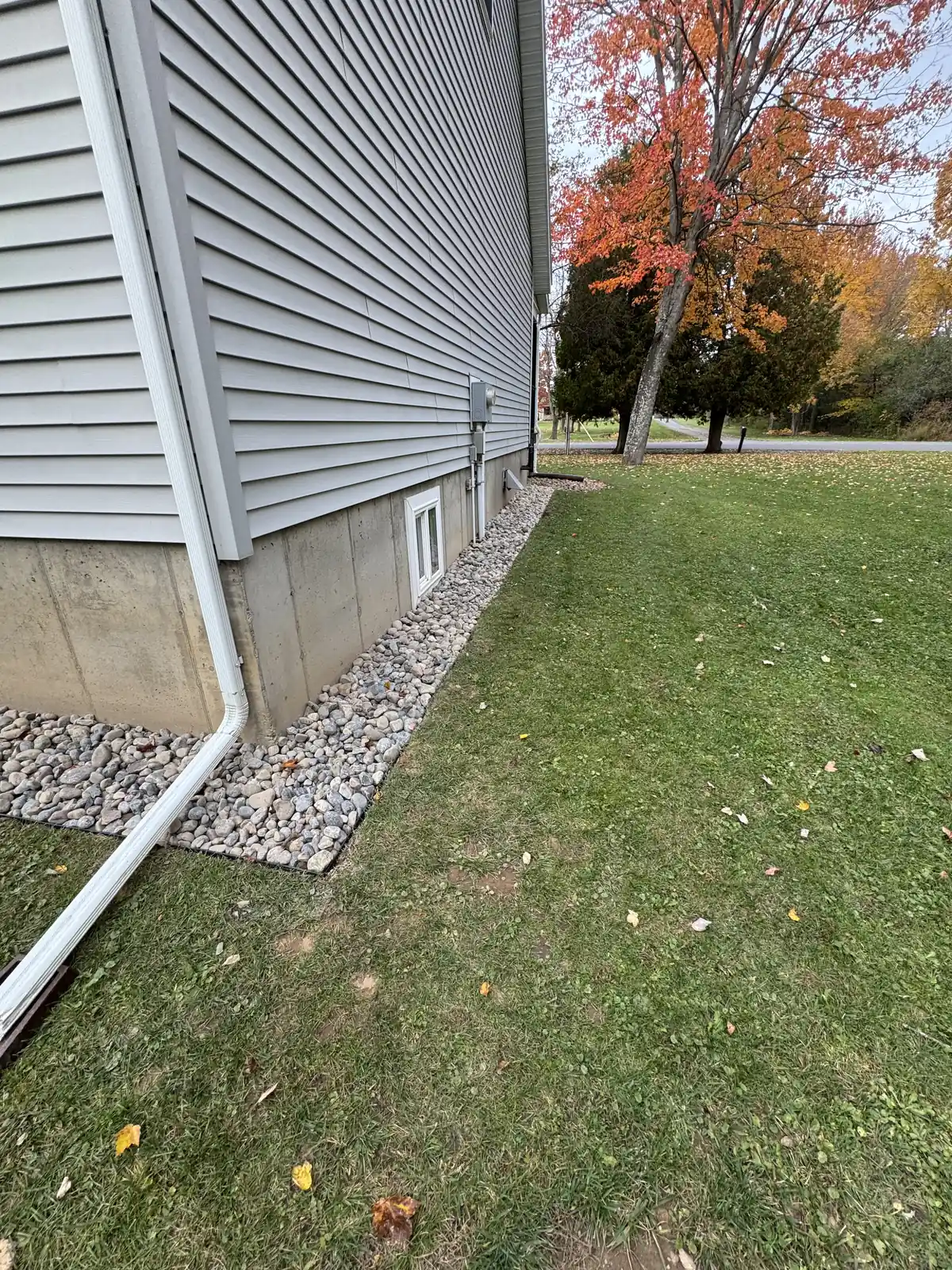
Drainage Details That Live Inside Patios And Walkways
Slot Drains, Channel Drains, And Discreet Edge Solutions
Linear drains solve tricky moments without hijacking the design. Along a garage apron or at a sliding door, a slim slot drain catches sheet flow right where it forms. The grate can match the tone of the pavers so it blends, or it can provide a subtle accent that runs perfectly straight, which makes the whole patio look meticulously planned. Channel drains set a touch lower than the surface pull water fast during heavy weather, then sit quiet when skies are calm.
Edges can do quiet work too. A narrow gravel band along a fence or wall acts like a hidden gutter, catching splashes and filtering them down into the ground. Where a patio meets a planting bed, a crisp lip keeps mulch from drifting over the pavers and keeps runoff from grabbing soil as it moves. These are small moves that pay back in cleaner surfaces, fewer stains, and fewer surprise puddles underfoot.
Joint Sand, Border Choices, And Clean Runoff
The joints between pavers shape how water behaves after a storm. Clean, well-compacted joint stone lets rainwater filter down instead of lingering on the surface, and it resists washing out when the slope is gentle and consistent. On patios with more traffic, a stabilizing joint product can hold patterns tight while still allowing a little permeability. The key is to balance strength with flow so the surface stays tidy without sealing it like a countertop.
Borders help steer water and protect the edge. A buried restraint keeps pavers from creeping, which preserves the slope you set at the start. Pair that edge with a narrow planting strip or a decorative stone shoulder, and runoff has a place to pause and soak. The patio looks framed, the hardscaping stays firm, and the surrounding beds get a small, steady drink rather than a messy splash.
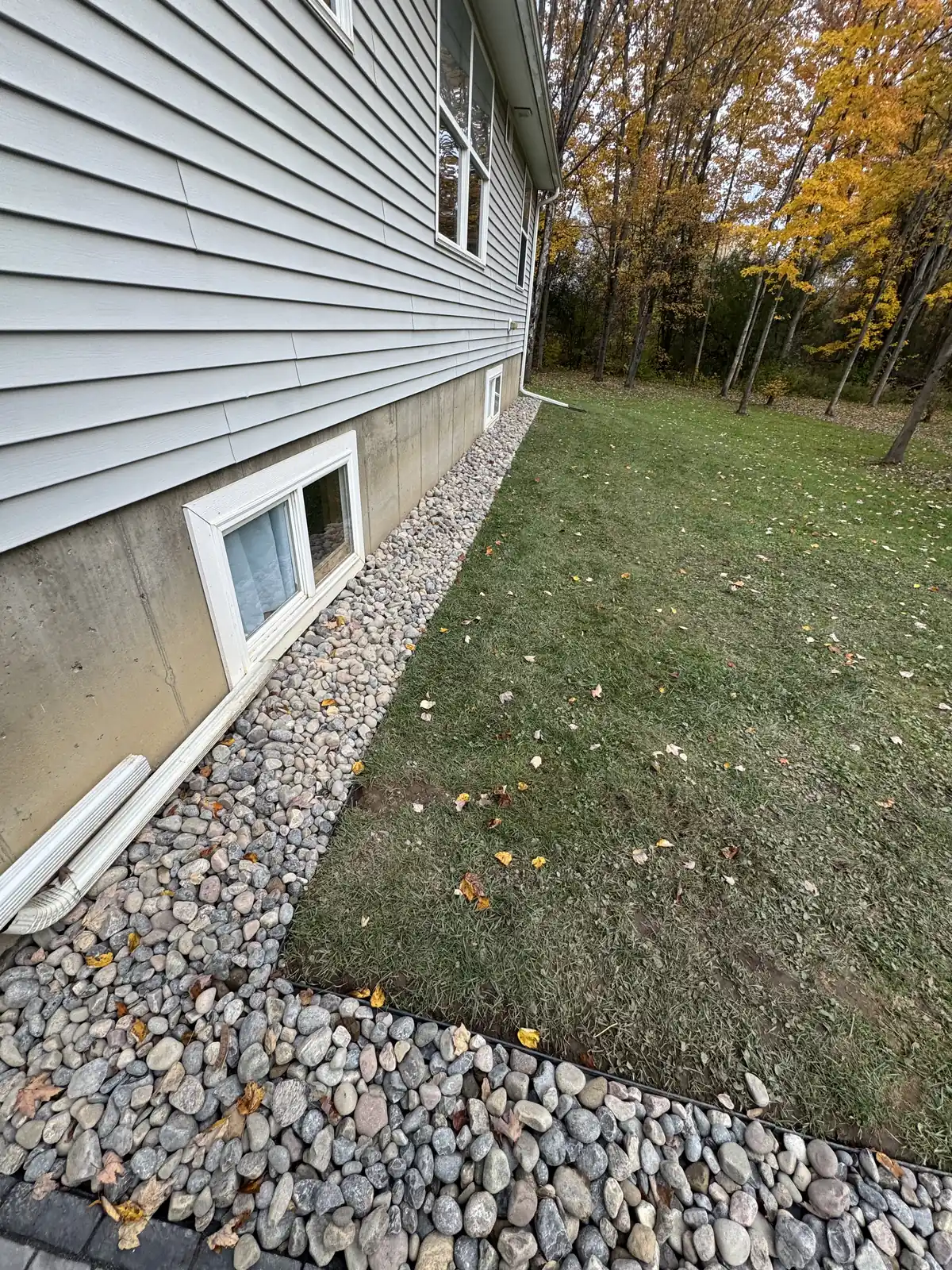
Drainage That Works With Structures And Soil
Under-Patio Infiltration, French Drains, And Smart Tie-Ins
When rainfall outpaces your soil’s speed, it helps to give water a temporary parking spot. An under-patio infiltration zone uses washed stone wrapped in fabric, sometimes with modular chambers, to temporarily store water while the ground catches up. The patio stays smooth on top, storage happens underfoot, and the release is calm rather than chaotic. On uphill edges, a French drain can intercept subsurface seepage before it pushes across the pavers.
There are moments when water must leave the area entirely. A discreet pipe to daylight along a lower grade or a pop-up emitter hidden in turf can carry the load without drawing attention. Tie-ins should respect existing flows and never push water toward a neighbor or a foundation. When those outlets align with the overall plan, the whole system behaves like a single, calm conversation rather than a set of loud, competing voices.
Maintenance Rhythm So Drainage Keeps Performing
Even the best drainage appreciates a little care. Leaves and seeds collect along grates and inlets during seasonal shifts, so a quick sweep after storms keeps openings clear. A light rinse now and then refreshes the paver surface and removes dust from the joints before it compacts. These small habits protect the slope, the flow, and the look, which means patios stay ready for everyday life rather than occasional use.
Once or twice a year, take a slower walk after a steady rain. Notice where water hesitates or where silt gathers on the hardscaping. Those spots are quiet messages about what to adjust, and most fixes are simple when caught early. Top off a low joint, reseat a loose border stone, and refresh a gravel band that has thinned. With that rhythm, drainage keeps doing its quiet work while the space stays beautiful and practical.
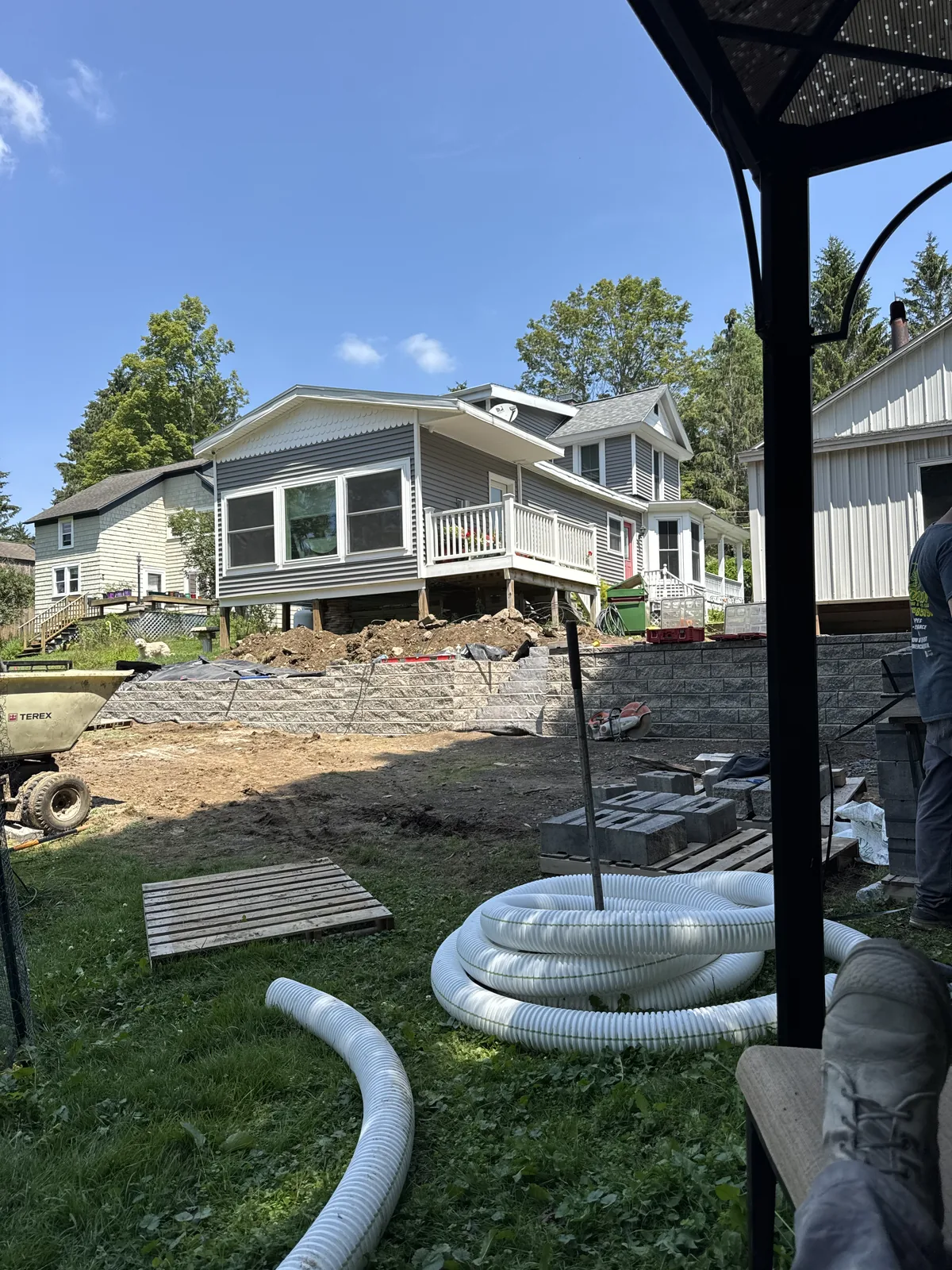
Conclusion
Thoughtful drainage turns a good project into a lasting one. If the plan is to enjoy a clean, comfortable patio with hardscaping that holds its shape through heavy rain and bright weeks alike, bring those goals to Newman. Share how you use the space, what worries you after storms, and what looks you love. Their team will shape a solution that blends into the design and just works, day in and day out. Contact us to start the conversation and make water management feel effortless.

SERVICES
Landscaping
Fire Pits
Lawn Mowing
Pavers
Holiday Lighting
Commercial Snow Removal
Pest Control
Mulching
Lawn Aeration
Sod
Patios
Outdoor Kitchens
Retaining Walls
Lawn Care
Trimming
Lawn Edging
Excavation
Landscape Design
Drainage
Lawn Grading
Landscape Lighting
Deicing
Snow Blowing
Driveway Sealing
SERVICE AREAS
Westmoreland
Utica
Rome
Oneida
German Flatts
Vernon
Lenox
Frankfort
Verona
Vienna
Sherrill
Floyd
Sangerfield
Canastota
Herkimer
Chittenango

"*" indicates required fields